A Complete Guide to Moderately Lavish English Home Gardens

English gardens are renowned for their elegance, blending structure with natural beauty. Rooted in a long tradition of landscaping, from medieval monastery gardens to the grandeur of Georgian estates, these gardens are known for their timeless appeal. The "moderately lavish" English home garden offers a luxurious yet achievable design, perfect for modern homeowners seeking a balance between sophistication and a sense of serene retreat. This guide explores how to design and maintain such a garden, drawing inspiration from classic English garden principles while adapting them for contemporary living.
Essential Elements of a Moderately Lavish English Garden

The foundation of any English garden lies in its landscaping and layout. Stone pathways, often curving through lush greenery and flower beds, create a sense of flow and discovery. Unlike rigid designs, English gardens embrace soft, meandering paths that encourage exploration. Garden beds can be framed by small retaining walls or edged with brick, creating an orderly yet inviting feel. Raised beds and terracing add depth and dimension, turning a flat space into a dynamic environment.

Incorporating garden structures like fire pits, seating areas, pergolas, or small gazebos adds both comfort and focal points. Fire pits, in particular, are becoming popular in English-style gardens as they serve as a cozy gathering spot and provide warmth for evening relaxation. Adding a water feature, such as a small pond or fountain, introduces the soothing sound of water and further enhances the garden’s sense of tranquility.
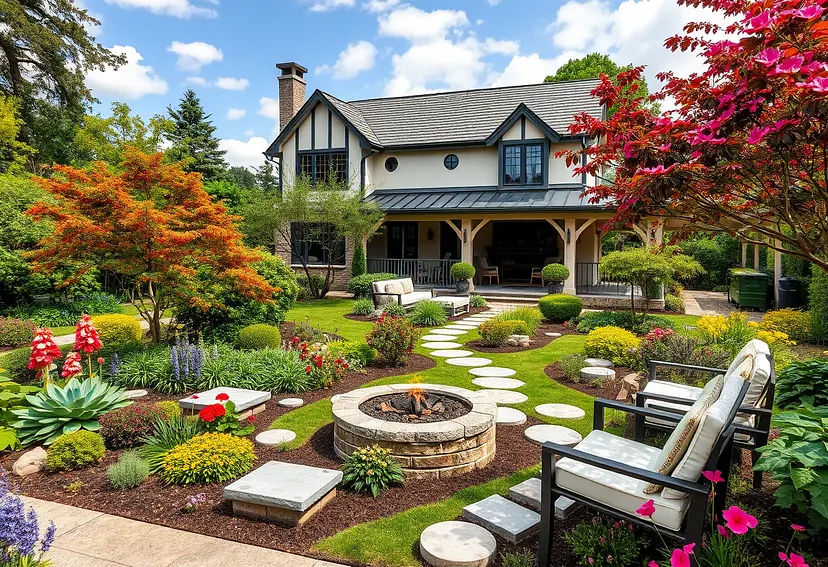
Plant selection is key to creating the iconic English garden look. Perennials like foxgloves, delphiniums, and lupines provide height and color, while flowering shrubs like English yew or boxwood offer structure. Trees such as cherry blossoms or crape myrtles add seasonal bursts of beauty. The hallmark of an English garden is its layered planting style, where each plant is thoughtfully positioned to create a continuous wave of color and texture throughout the seasons. The color palette typically leans toward soft, pastel hues—lavender, rose, and pale yellow—though splashes of vibrant reds, pinks, and purples can be introduced to add contrast and drama.
Key Garden Design Principles

English gardens, particularly the moderately lavish variety, often take inspiration from the classic cottage garden style. These gardens have an informal, natural feel, with densely packed flowerbeds that overflow with a mix of flowers, herbs, and even vegetables. While the layout appears organic, there is an art to its chaos—a deliberate intermingling of plants that mimics nature while creating harmony.
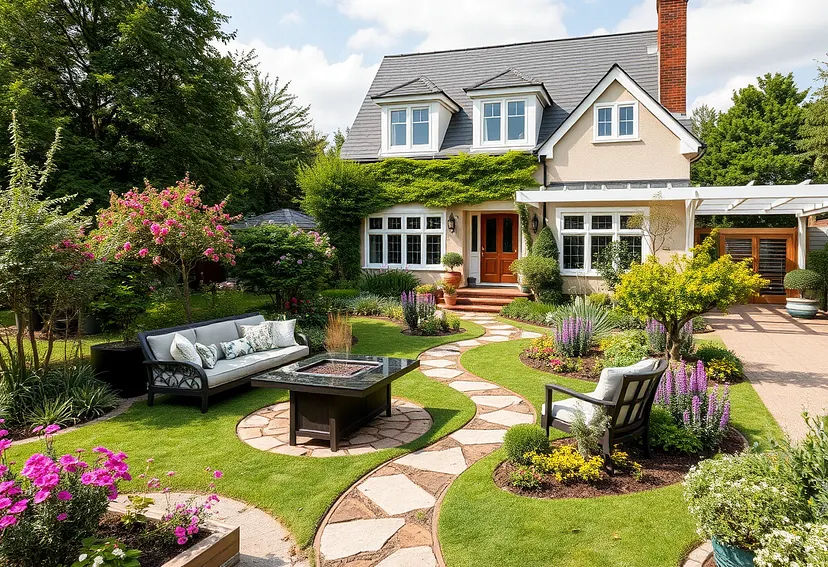
In contrast, elements of formal English gardens may be borrowed for structure. Symmetrical layouts, straight hedges, and carefully pruned topiaries offer a nod to the gardens of grand estates. However, these formal aspects are softened by the inclusion of more whimsical, natural elements. A key feature of English gardens is their harmony with nature. Pollinator-friendly plants such as butterfly bushes, lavender, and daisies attract bees, butterflies, and birds, fostering a sense of life and movement in the garden. Encouraging wildlife adds an ecological dimension, making the garden not just a visual delight but also a haven for local fauna.
Hardscape and Outdoor Furniture Choices

In a moderately lavish English garden, the hardscape is just as important as the plantings. Stone pathways, made of materials such as flagstone or cobblestone, enhance the traditional look, while providing practical walkways through the garden. Patios constructed from similar materials seamlessly integrate with the surrounding greenery. Furniture choices should combine rustic and elegant aesthetics. Wicker, wrought iron, and wooden furniture fit naturally into the setting, while soft cushions in muted earth tones add comfort and warmth to seating areas. These seating areas often surround fire pits or are nestled into quiet corners, offering a peaceful space for reading or enjoying tea.
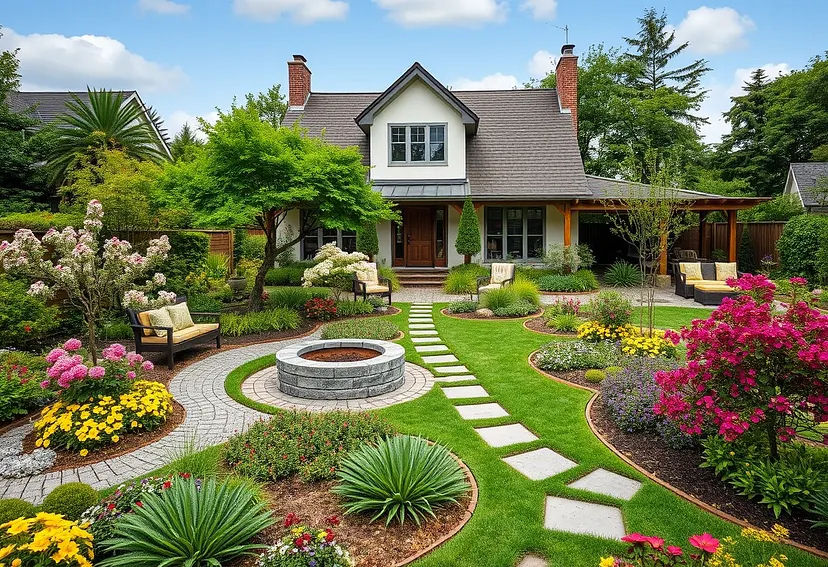
Fire features, such as stone fire pits, serve as central focal points in the garden. Not only do they provide warmth during cooler evenings, but they also create a social space, perfect for gatherings or quiet contemplation. Surrounding the fire pit with low chairs and simple tables makes the space even more inviting.
Maintenance Tips for a Flourishing English Garden
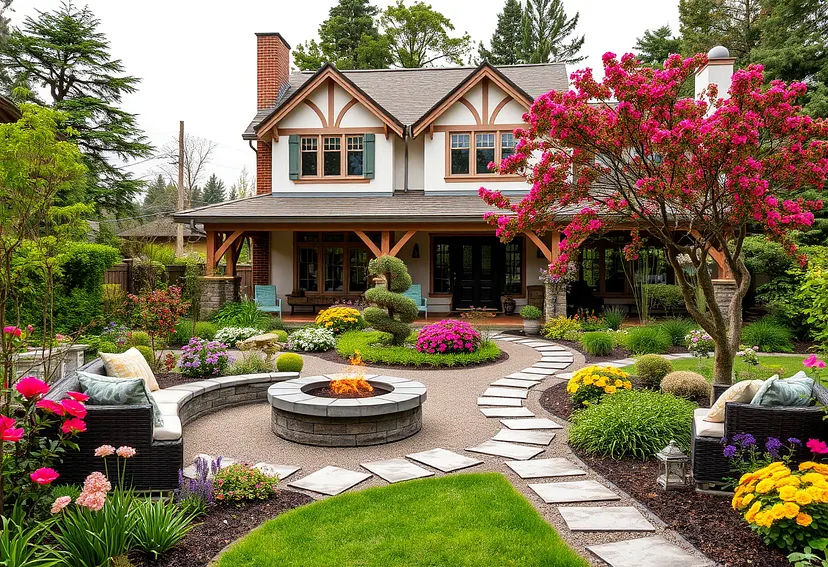
Maintaining an English garden requires regular attention but is rewarding as it evolves throughout the seasons. Pruning is essential to maintain the garden’s shape, especially for hedges and topiaries. Regular deadheading of flowers will encourage new growth and prolong the blooming season. For lawns, which often serve as the garden’s central green space, mowing and aeration help keep the grass lush. Organic fertilizers and water-saving techniques, like using rain barrels, contribute to a healthy, eco-friendly garden.

Each season brings its own set of tasks. In spring, planting begins with new bulbs and perennials, while summer is the time to focus on trimming, watering, and ensuring the garden stays in full bloom. Autumn is for preparing the garden for winter, including pruning back perennials and covering delicate plants. Winter, though quieter, still requires some upkeep, such as protecting plants from frost.
Lighting the Garden for Evening Ambiance

Lighting plays an essential role in transforming an English garden into a magical space after dark. Solar lights along pathways not only provide safety but also enhance the garden’s features. Uplighting trees and large plants creates dramatic shadows and highlights, while hanging lanterns or fairy lights in seating areas add a cozy and whimsical touch. Combining different types of lighting—soft glows, spotlights, and candles—can create a layered atmosphere, perfect for evening relaxation or entertaining.
Integrating Personal Touches
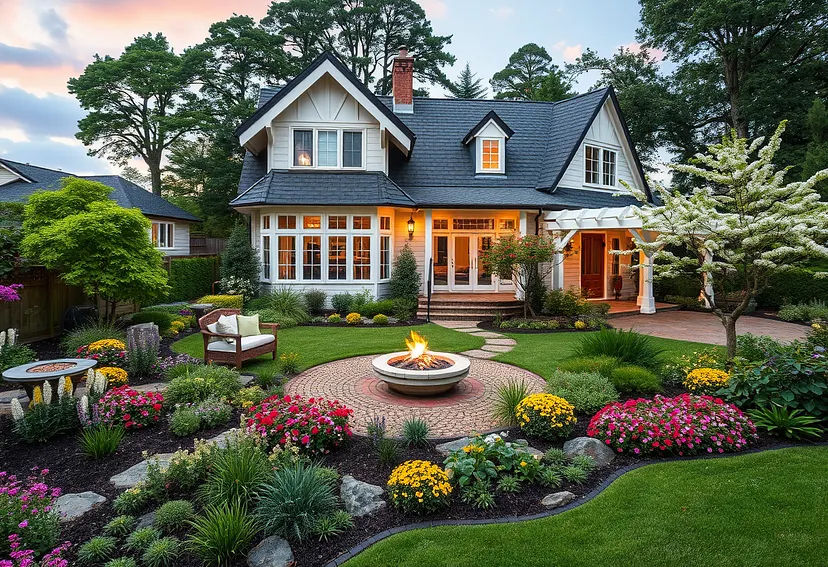
No English garden is complete without personal touches that reflect the homeowner’s style. Adding statues, sculptures, or unique garden ornaments brings personality to the space. Consider blending modern elements, like sleek water features or contemporary art, with traditional plants and layouts to make the garden uniquely yours. Customizing the garden to harmonize with your home’s architecture ensures that the outdoor space feels like a natural extension of the home itself.
Conclusion

A moderately lavish English home garden combines classic design elements with modern touches, offering an accessible way to bring elegance into your own backyard. By carefully selecting plants, designing thoughtful pathways, and incorporating inviting seating areas, you can create a garden that is both timeless and personal. Whether you’re looking to enhance your home’s curb appeal or create a serene retreat, an English garden offers endless possibilities for beauty, relaxation, and enjoyment year-round.
(Disclaimer: As the designer, I crafted the original concepts and ideas for this architectural design feature. I collaborated with the Flux AI model in Piclumen to generate the images and used ChatGPT or Poe to write the accompanying article, shaping and articulating my creative vision with clarity and precision through my prompts.)